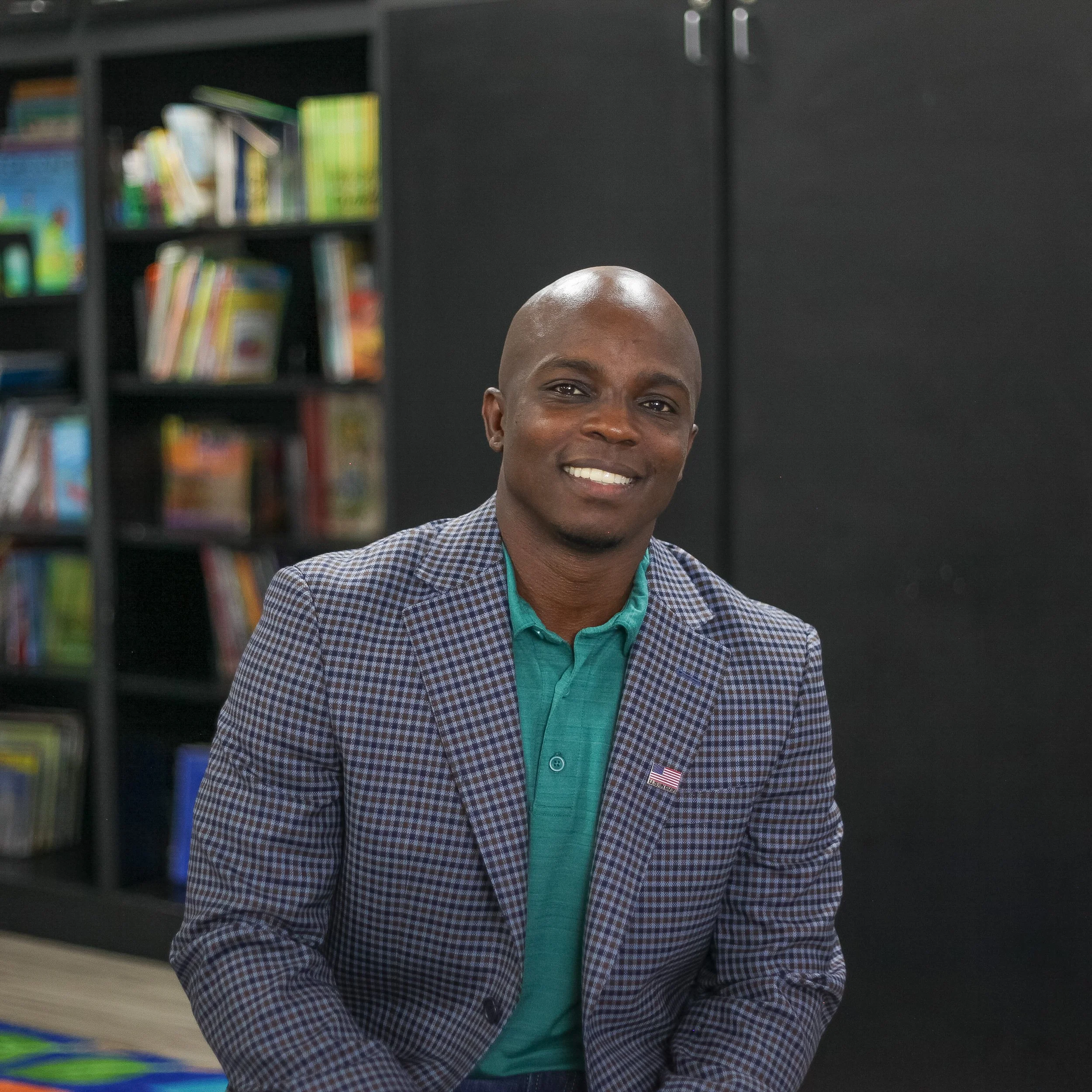
I recently participated in a panel discussion hosted by the Rees-Jones Foundation on the barriers to father involvement in low-income communities. I’ll admit; I wrestled a little with being on the panel.
The other panelists spent years of their professional lives researching these issues, studying policy, and helping develop solutions at state and federal levels. Most of my week was spent preparing teachings, counseling neighbors, bagging groceries at our local food pantry, fixing cars, mowing yards, shaking hands, and praying with neighbors.
You know–stuff pastors do.
When the discussion began, the more tenured voices spoke first. I was so intrigued I picked up my pen and took notes. For a moment, I forgot I would soon be speaking.
I was impressed by the statistics, research, and models being discussed. I was humbled to hear about the work being done at local, state, and federal levels to address poverty and the policies and systems creating barriers to two-parent homes in low-income communities.
I wanted to listen more than I wanted to speak.
It wasn’t because I don’t know enough, but because the other panelists captured my attention. The struggles among my neighbors are not isolated to Bonton. Families across the country face the same challenges. People in places I may never visit are asking the same questions; and people are working on solutions.
For a moment, I felt I wasn’t in the trench alone.
Policies are being studied, outcomes are being researched, and resources are being distributed. There are foundations convening discussions and organizations thinking about what must change to strengthen families.
When it was my turn to speak, I could no longer sit and listen.
I thanked those who spoke before me, then I shared what the work looks like from where I stand:
most days it feels like bandaging wounds.
I don’t sit at a table developing a national model to prevent the next crisis, I walk beside people already in one. I’ve wiped tears, consoled broken hearts, patched holes, prayed through impossible situations, and traveled many miles alongside my neighbors.
I don’t say this boastfully–in fact, this panel reminded me that without real change in government policy, without community organizations serving vulnerable neighbors, without change in the systems producing these conditions, our work will continue to feel like a mere bandage on a deep wound.
Yet I am not discouraged, because bandages matter when someone is bleeding.
Families need groceries today.
A neighbor needs a ride today.
A father needs encouragement;
Someone needs prayer;
A young man needs somebody to show up–today.
We must ask where the wounds come from. While some apply bandages in the trenches, others work upstream studying causes, challenging policies, developing better models, and asking how resources can be deployed more effectively.
Both are needed.
Be encouraged: change is happening. Deep wounds are healing, relationships are being restored, fathers are being challenged and supported, and families are being strengthened.
Rees-Jones Foundation and others are creating space for discussions not just to talk, but to understand. To know the people living through poverty and think deeply about how resources, policies, churches, foundations, and community organizations can work together to see a future of restoration and hope.